What does managing an Arizona vacation rental involve?
Vacation rental management connects presentation, the booking calendar, guest communication, cleaning, maintenance, property condition and owner reporting. Each part depends on the others. A listing that promises a restorative stay needs a home that is ready on arrival. A busy calendar needs turnover capacity. A property with strong amenities needs a care plan for the equipment behind them.
For Hamera, the management conversation begins with the home and the owner’s priorities. Our established service categories include co-hosting, furnishing, staging and photography, guest care, cleaning and maintenance coordination, quality checks, damage-claim support, monthly reporting, an owner portal and TPT filing. A separate lease partnership is another possible relationship. The agreement determines which responsibilities apply and how decisions and costs are handled.
Arizona is not one uniform rental market
Williams and Flagstaff bring high-country considerations. A winter arrival can require a different access and maintenance plan from a summer desert stay. Property systems, heating, exterior surfaces and directions need to be understandable to guests who may be arriving after dark or unfamiliar with local conditions.
In the Verde Valley and central Arizona, the home’s relationship to Sedona, Cottonwood, Cornville and nearby communities shapes positioning. Walkability, rural access, outdoor spaces and distance to the actual trip anchors should be explained accurately. A quiet home should not be marketed as though it sits in a busy downtown.
Greater Phoenix has its own neighborhood and property differences. An urban condominium, a pool home and a spacious desert residence do not create the same guest needs or upkeep tasks. Tucson adds another set of neighborhood, city-boundary and operational questions. Geography belongs in the management decision because it affects how the home is used and cared for, not because city names alone build a good listing.
Explore the regional hubs below, then move into the specific city guide. The regional pages connect related markets without pretending that every home or jurisdiction is interchangeable.
Build a plan around the actual property
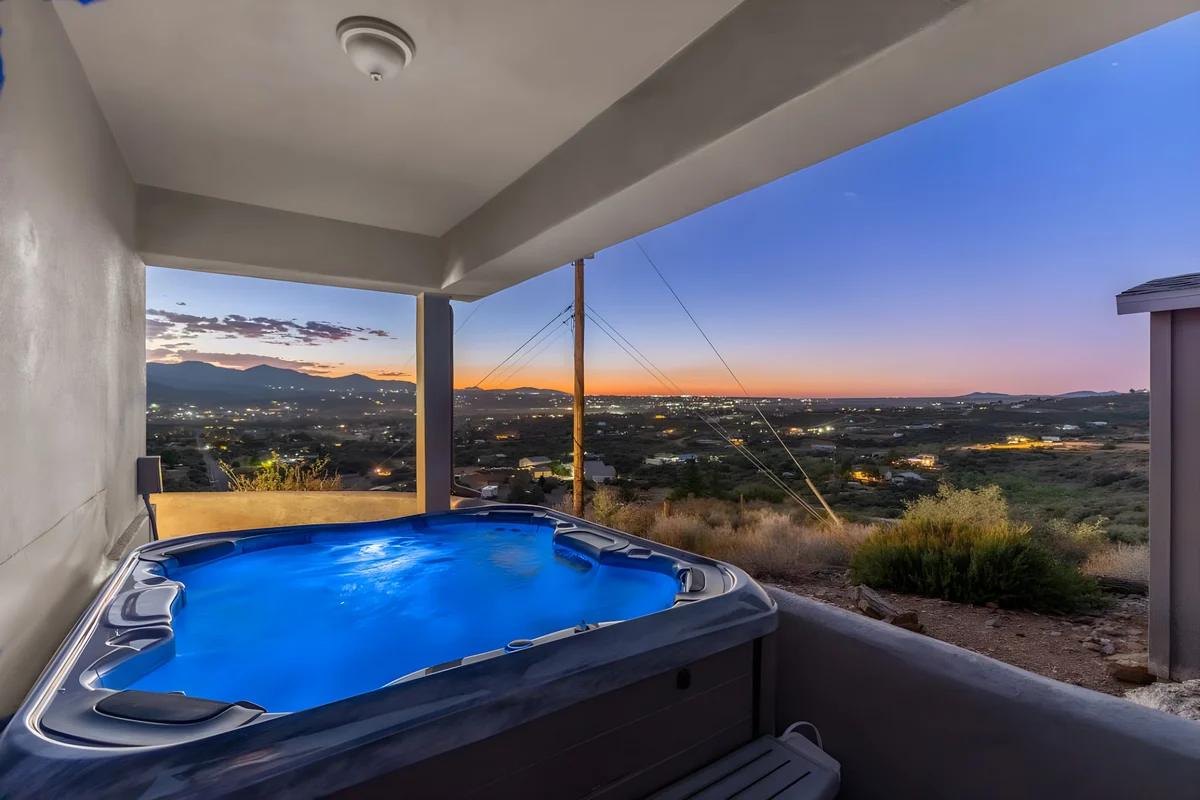
Start with an inventory of the dwelling, parking, access, sleeping layout, outdoor amenities, internet, HVAC, utilities and owner storage. Document any pool, spa, well, septic or specialist equipment. Know where qualified help is needed, where supplies live and what approval process applies when an issue arises.
Property readiness also includes durable furnishings and an accurate visual presentation. Photography should show the home guests will receive. Arrival instructions should explain the real parking and entry sequence. A clear house guide should resolve recurring questions rather than overwhelming guests with a generic document.
Owner reporting is the connection back to the plan. The booking calendar, expenses, maintenance activity and owner-use blocks should be understandable together. Gross booking totals alone cannot show whether the operation matches the owner’s objectives.
Choose the relationship before comparing a headline fee
Co-hosting and a lease partnership answer different owner needs. In a management arrangement, the scope, fee structure, decision rights and reporting should be agreed in writing. In a lease arrangement, rent, permitted use, subleasing, maintenance obligations and contract terms become central questions.
A lower advertised fee is not automatically a lower total cost. Ask about setup, preparation, cleaning, restocking, repair coordination, vendor charges, owner stays and the transition at the end of the relationship. Written clarity makes comparisons more useful than a percentage in isolation.
Verify the address before assuming eligibility
A mailing city is not always the governing municipality. Check the parcel, incorporated boundary and county before relying on local short-term rental rules. Separate local permitting and business requirements from state tax licensing, insurance, HOA and condominium restrictions, and other property-specific obligations.
The Arizona Department of Revenue provides official short-term lodging guidance. Municipalities and counties provide their own local processes. Use those current sources and qualified advisers for legal or tax conclusions; a market guide is a planning aid, not permission to operate.
Our portfolio markets include Williams, Sedona, Cottonwood, Cornville, Dewey-Humboldt, Scottsdale, Phoenix and Mesa. Flagstaff, Prescott, Tempe and Tucson are expansion-interest guides. We review new-owner fit individually rather than promising statewide staffed coverage.
Read the complete Arizona due-diligence guide, then tell us about your property.